FREE Sketch Document Verification Icon: A Practical Embroidery Design Review
As an embroidery designer who regularly evaluates digital assets for real-world use, I always look for designs that balance visual clarity with practical stitchability. The FREE Sketch Document Verification Icon caught my attention not just because it’s free, but because it offers a clean and versatile concept that can work well in a variety of projects. Let me walk you through how this design feels from the moment I open it to when it’s stitched onto fabric.
First Impressions and Visual Personality
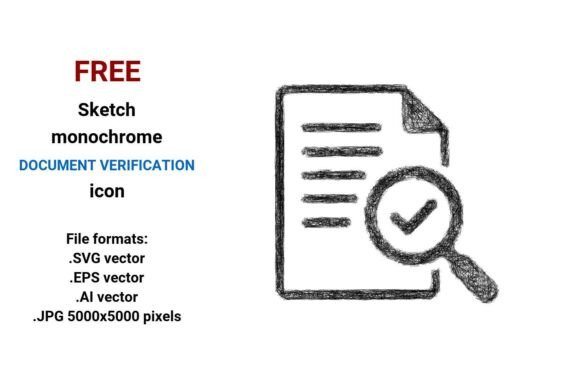
The Sketch Document Verification Icon is a black-and-white line drawing that communicates simplicity and professionalism. It features a stylized document with a checkmark or verification symbol integrated into the layout — something that immediately conveys trust, approval, or compliance. The icon is minimalistic yet clear, making it ideal for applications where subtle branding or functional symbolism is needed.
I appreciate the way the lines are drawn. They’re crisp without being overly intricate, which helps avoid issues with tiny details getting lost during digitization or stitching. This kind of design has a modern, almost office-friendly vibe, so it naturally fits into custom apparel, tote bags, baby items, or even small business branding pieces like embroidered patches or aprons.
Real-Life Use Scenarios
Let’s imagine using this design on a custom sweatshirt for a boutique that sells personalized gifts. The icon would work as a discreet but meaningful detail — maybe stitched along the hem or on a label inside the garment. It adds a touch of sophistication without overwhelming the piece. Similarly, on a tote bag design, the icon could be part of a larger motif or serve as a standalone graphic to indicate product authenticity or brand assurance.
In holiday embroidery projects, such as personalized gift tags or festive aprons, the verification icon brings a sense of formality that elevates the overall presentation. For handmade products sold online, especially by Etsy sellers or craft fair vendors, it can act as a signature element that enhances perceived quality and uniqueness.
This design also works surprisingly well in nursery decor or baby embroidery. If used in combination with other symbols or text, it can represent safety, certification, or simply a cute little detail for a personalized onesie or blanket. The monochrome style ensures it remains soft and appropriate for delicate fabrics.
Where This Design Shines
- Custom Apparel: Sweatshirts, t-shirts, and caps benefit from its clean lines and lack of color.
- Handmade Tote Bags: A perfect addition to minimalist or modern designs, especially those targeting eco-conscious or professional buyers.
- Embroidered Patches: The simple silhouette translates well into patch form, particularly when using satin stitch or running stitch techniques.
- Commercial Projects: Its neutral aesthetic makes it suitable for corporate-style merchandise or branded apparel for events and promotions.
- Digital Product Previews: The .JPG high-resolution file is great for showcasing your final product in printable mockups or social media images.
When to Be Cautious
While the Sketch Document Verification Icon is adaptable, there are situations where it might not perform as expected. Here are a few considerations:
- Small Hoop Sizes: If you're working within tight hoop dimensions, some fine lines may disappear or become misaligned after digitization. Always confirm the size before committing to a project.
- Textured Fabrics: On materials like denim or canvas, the flat nature of the design may not pop as intended. You’ll need to adjust stitch density or thread weight accordingly.
- Thin or Stretchy Fabric: These can cause distortion or make the design appear less defined. A good stabilizer is essential here.
- Dark Backgrounds: Since it's a black-and-white design, placing it on dark fabric might reduce visibility. Consider using white or light-colored threads for contrast.
- Curved Surfaces: When applied to curved areas like caps or sleeves, the design should be resized carefully to maintain proportion and avoid stretching key elements.
Stitch Clarity and Fabric Compatibility
One thing I noticed early on is how the design handles stitch transitions. Because it’s a sketch-based icon, the digitization potential leans toward using either running stitch or satin stitch to preserve the outlines. This means it won’t require heavy fill stitches, reducing bulk and making it more compatible with layered garments or lightweight textiles.
However, due to the lack of specific stitch count information, I recommend testing the design on scrap fabric first. Check how the stitch density interacts with your chosen material. For example, if you're embroidering a kitchen towel or tea towel, higher tension settings or a slightly denser stitch pattern might help the design stand out better.
Design Notes for Crafters and Entrepreneurs
If you're an Etsy seller or part of a craft business, consider using this icon to add a signature touch to your handmade products. It’s subtle enough to complement other embroidery elements but distinct enough to enhance brand recognition. Just make sure to review the thread colors and ensure they align with your product palette.
For small shop product branding, think about how the verification icon could be used across multiple items — like aprons, mugs, or labels — to create a cohesive look. The availability of vector files (.SVG, .EPS, .AI) is a bonus for anyone planning to scale or modify the design for different uses.
Customer Perception and Project Value
From a buyer’s perspective, the presence of a document verification icon can subtly suggest quality control or authenticity. That’s powerful for any personalized gift or commercial embroidery project. Whether it’s a holiday gift with a verified message or a branded item with a compliance feel, the icon supports the idea of a polished, trustworthy product.
On the flip side, if the icon isn’t stitched cleanly or if it appears too small, customers might miss the message entirely. So, always test it in black and white mockups before finalizing production. This step will help you catch any potential issues with scale or placement, especially on curved surfaces or multi-layered items like pillow covers.
Professional Touch Without Overkill
What I love most about this design is that it doesn’t demand attention — it invites it. In a world where embroidery can easily become busy or cluttered, having an icon that speaks volumes without shouting is refreshing. It’s the kind of embroidery file that can quietly elevate the professionalism of your finished product.
But don’t mistake subtlety for insignificance. The right placement — say, next to a name tag on a custom cap or alongside a logo on a boutique sweatshirt — can significantly boost product value and customer engagement. Buyers often respond positively to thoughtful details like these, especially in handmade or niche markets.
Final Designer Tips
Before incorporating the FREE Sketch Document Verification Icon into your next embroidery project, keep these tips in mind:
- Test it on scrap fabric to see how it reacts to your machine and stabilizer choices.
- Check thread color contrast against your fabric background — white or cream thread can offer a cleaner look on darker materials.
- Review stitch density and adjust as necessary for stretchy or thin fabrics.
- Confirm hoop size compatibility based on your digitized version of the design.
- Inspect small details like corners and lines to ensure they translate well into stitches.
- Use proper stabilizer to prevent puckering or distortion, especially on woven or knitted materials.
- Make sure the design works both for personal and commercial use — licensing terms aren't specified, so double-check before selling finished items or digital products.
Ultimately, the Sketch Document Verification Icon is a strong choice for designers looking to add a refined, symbolic element to their embroidery projects. With the right preparation and understanding of its limitations, it can contribute meaningfully to your design assets and help you create finished products that feel intentional and well-crafted.