Cotton Cloud SVG Cricut Cut File: A Versatile Graphic Design Asset for Creative Projects
As a professional graphic designer with years of experience in branding, marketing visuals, and product design, I'm always evaluating new design assets to see if they can add value to real client projects. When I first came across the Cotton Cloud SVG Cricut Cut File, I was intrigued by its soft aesthetic and potential for use across multiple platforms—from print-on-demand products to social media graphics. Here’s how it performed in my practical review.
A Soft, Modern Mood for Handmade Businesses and Themed Campaigns
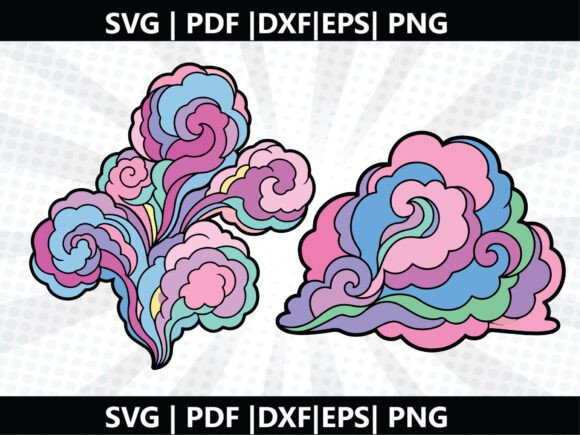
The Cotton Cloud SVG Cricut Cut File immediately evokes a sense of calm and creativity. Its organic, rounded shapes suggest a handmade or artisanal style that resonates well with small businesses focused on wellness, home decor, baby products, or seasonal campaigns. The visual elements are clean yet whimsical, making them ideal for brands that want to communicate warmth, comfort, and a touch of elegance without being too formal.
This asset fits naturally into projects where a modern design approach is needed but still wants to maintain a cozy, inviting feel. It could easily become part of a brand identity package for an online boutique or be used as a supporting element in a set of packaging designs for a local event or Etsy shop.
Real-World Performance Across Multiple Design Applications
Let's dive into how this file holds up in various design scenarios:
- T-shirt design: The cotton cloud shape works beautifully as a focal point. Whether placed in the center of a white tee or layered with other SVG elements, it adds a subtle charm without overwhelming the viewer.
- Sticker design and product labels: On vinyl stickers or product tags, the cloud motif brings a decorative yet functional quality. It stands out when paired with minimalist text but can get lost if the background is too busy.
- Merchandise mockups: For mugs, tote bags, and phone cases, the cloud design integrates smoothly. It maintains clarity at large sizes, which is essential for product photography and e-commerce visuals.
- Printable wall art and Canva templates: This SVG shines when given space to breathe. Used in hero graphics for printable posters or digital backgrounds in Canva templates, it enhances the visual appeal without competing with key messages.
- Editorial design and blog visuals: As a decorative accent in editorial layouts or blog headers, the cloud adds a creative touch that supports storytelling themes like nature, relaxation, or childhood nostalgia.
- Marketing visuals and Instagram posts: The cloud design can serve as a subtle background element or a call-to-action icon. It blends well with both sans serif and script fonts, allowing for flexible typographic pairings.
Where Cotton Cloud SVG Cricut Cut File Works Best
This file is most effective in the following contexts:
- Large layout areas: The cloud’s expansive shape makes it a strong candidate for full-page designs, especially those with a focus on texture or mood.
- Hero graphics: In website banners or Pinterest pins, it helps create a welcoming visual tone that draws attention without being garish.
- Themed collections: If you're designing for a campaign around serenity, mindfulness, or softness, this SVG can unify the look across multiple items like stickers, apparel, and signage.
- Printable designs: It performs exceptionally well in print-on-demand workflows, maintaining crisp lines and smooth curves even when printed at scale.
- Supporting brand elements: Think about using it in secondary brand materials such as gift wrap, packaging details, or branded notepads to reinforce your brand’s personality.
Use with Caution in These Scenarios
While the Cotton Cloud SVG Cricut Cut File is visually appealing, there are some limitations to consider:
- Small sizes: The intricate details may lose definition when scaled down for buttons or micro-icons.
- Crowded layouts: If your project requires high visual density, this cloud could get lost among more structured elements.
- Complex backgrounds: It tends to blend into busy or pattern-heavy backdrops, reducing its impact.
- Professional corporate materials: Though great for creative marketplaces, it might not align with the sleek, minimal expectations of corporate branding unless stylized appropriately.
- Minimalist branding: Brands that prioritize ultra-clean aesthetics should test this design carefully—it may introduce unnecessary visual noise.
Readability, Hierarchy, and Brand Consistency Considerations
One of the things I check early on in any design review is how an asset affects readability and visual hierarchy. While the Cotton Cloud SVG doesn’t interfere with legible text when placed correctly, it does have a tendency to draw attention away from primary content if overused. That said, in the right context, it can support emotional appeal and brand recognition—especially for handmade businesses aiming to evoke a sense of comfort or purity.
In terms of brand consistency, this file has enough adaptability to work across different color schemes and design styles. However, because it has a distinct hand-drawn or illustrated character, it’s best suited for brands that embrace a more expressive, less rigid identity. It won’t fit seamlessly into every commercial design scenario, but it’s a strong contender for lifestyle, children's, or seasonal branding efforts.
Practical Designer Notes for Commercial Use
Before recommending this asset for a client project, here are the steps I took during evaluation:
- Tested in black and white: The cloud maintained its form and contrast, showing versatility beyond just colorful applications.
- Checked contrast on light and dark backgrounds: It performed better on lighter tones, though with careful color selection, it can also stand out against darker substrates.
- Previewed at small and large sizes: At large sizes, it looks polished and detailed; at smaller sizes, simplify or reduce layers to preserve clarity.
- Placed it on real mockups: I used it on t-shirts, mugs, and tote bag mockups to assess how it translates into physical products. It looked great in all cases, especially when paired with pastel or neutral tones.
- Tested print quality: The vector format ensured sharp edges and clean cuts, even when printed on textured fabrics or paper.
- Reviewed file formats: Confirmed that the SVG version is editable and scalable, perfect for customizing within Adobe Illustrator or other vector software.
- Compared with font styles: It pairs well with handwritten and script fonts for a cohesive, artistic look but needs more spacing and contrast when used with serif or display fonts.
- Confirmed commercial licensing: Always crucial for professional designers. Make sure the file is available under a proper commercial license before incorporating it into client work.
Why It Could Be a Valuable Freebie for Your Design Toolkit
Despite its limitations, the Cotton Cloud SVG Cricut Cut File offers solid performance across many creative uses. It’s a freebie worth considering if you’re working on a design bundle for a client who wants to launch a line of soft, approachable merchandise. Its adaptability allows it to function as clipart, illustration, or even part of a larger design asset ecosystem—like a sublimation design or a sticker kit.
For graphic design assets that need to feel fresh and inviting, this SVG provides a good foundation. It’s particularly useful in Cricut projects where texture and gentle movement matter. You can layer it with other shapes or typography to build out a themed collection, helping your final output feel more curated and intentional.
Final Thoughts for Designers and Digital Sellers
From a practical standpoint, the Cotton Cloud SVG Cricut Cut File isn’t a one-size-fits-all solution. But for specific client projects—especially those in the handmade, lifestyle, or seasonal niches—it can elevate the visual mood and help create a more polished, emotionally engaging result.
If you're preparing a visual concept for a boutique product line, an Etsy shop, or a summer campaign, this file is worth adding to your toolkit. Just remember to test it thoroughly in different contexts and ensure it aligns with your overall brand identity strategy. With the right application, it can become a trusted element in your creative process, bridging the gap between digital and physical design with ease and charm.